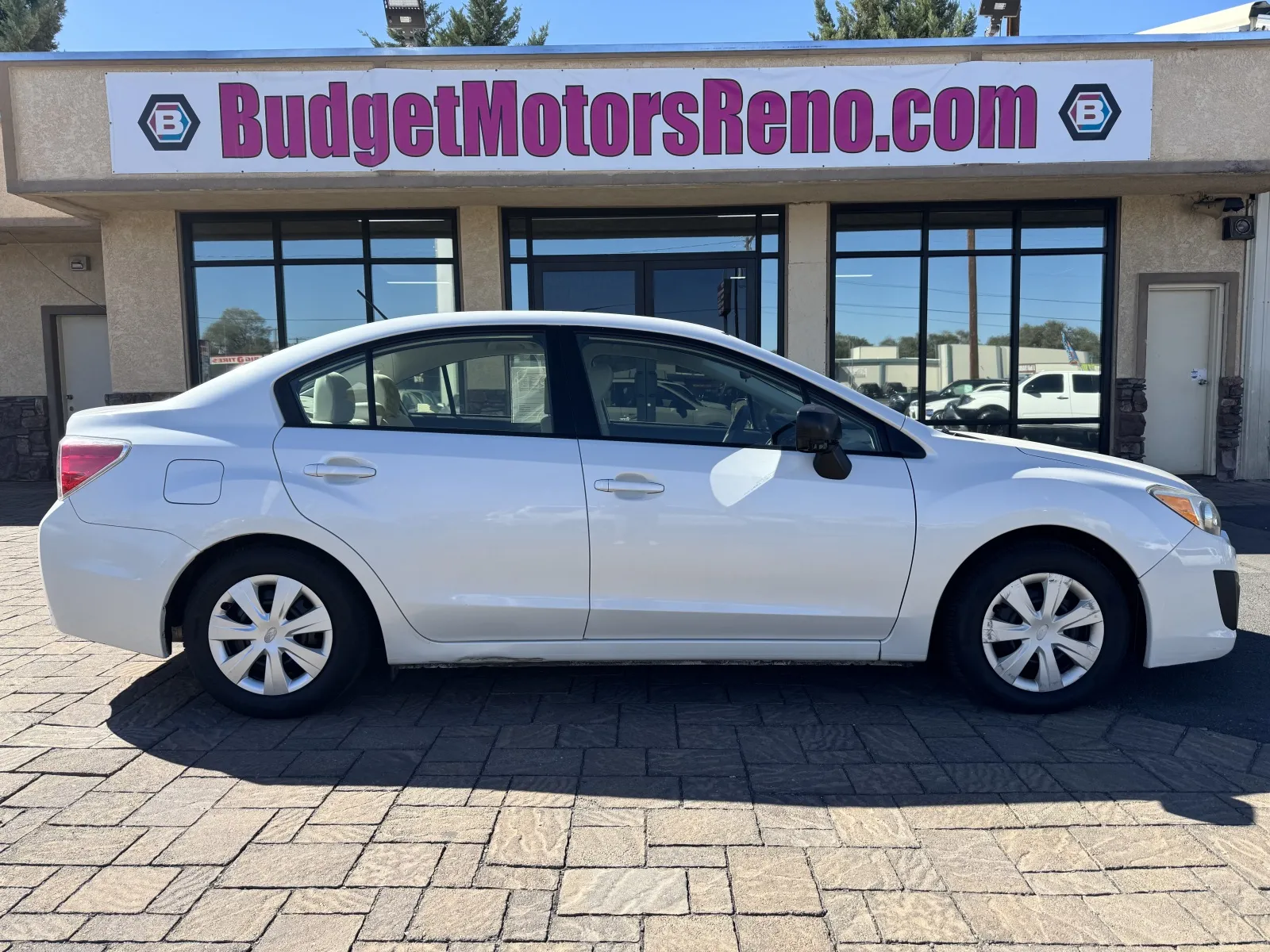
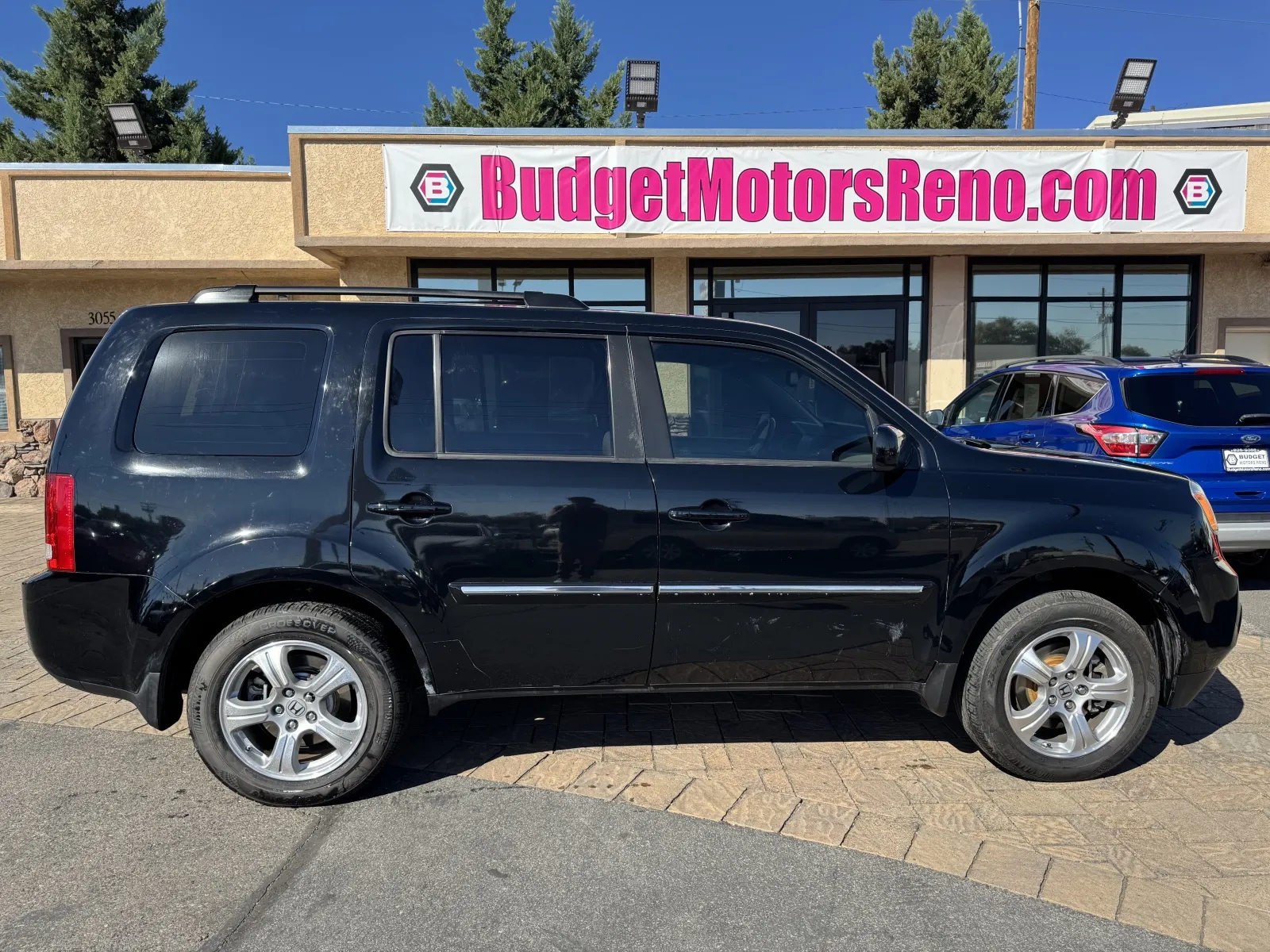
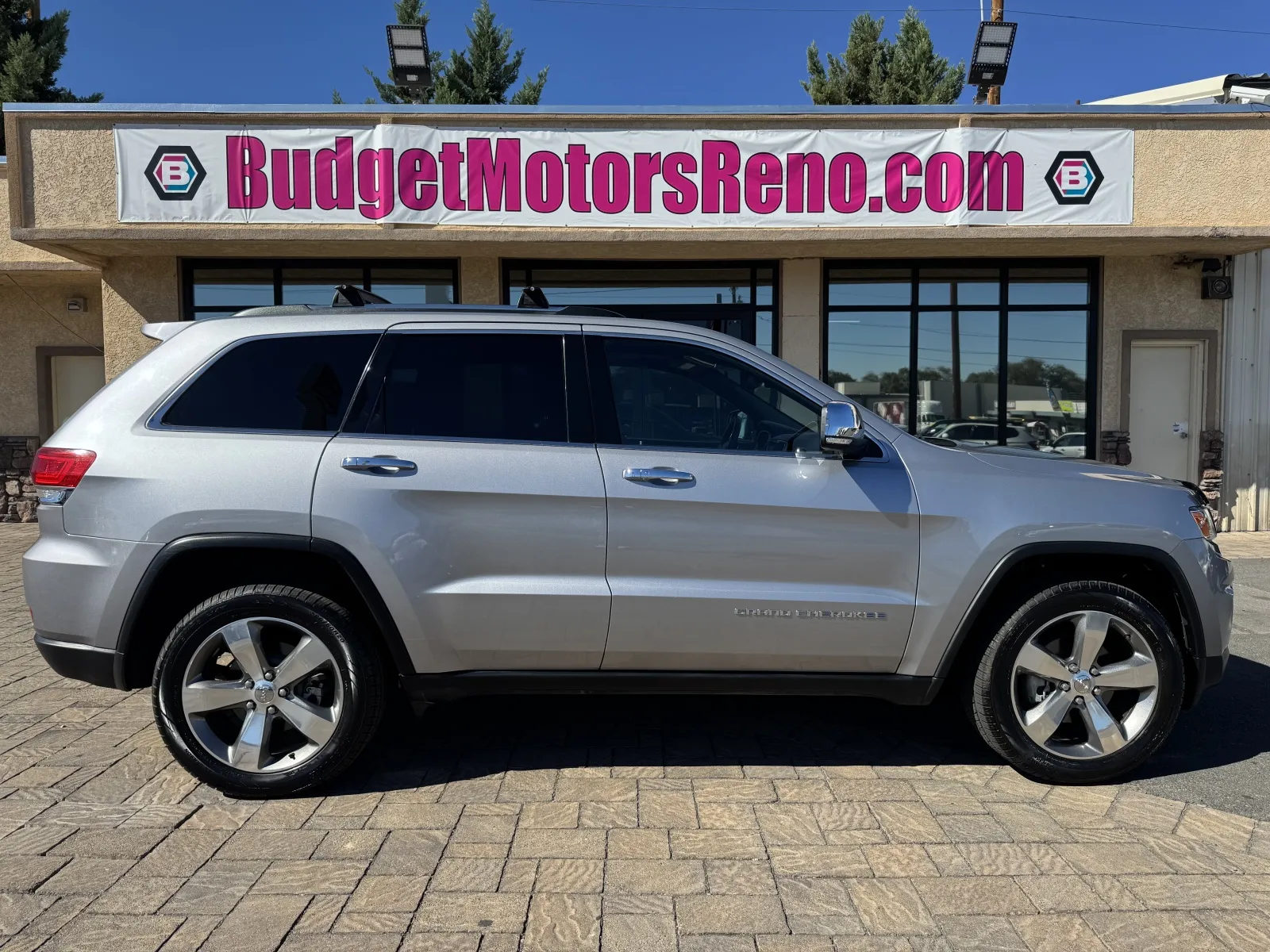
Beauty Before Age?
Many drivers assume that a car's age automatically determines how much it is worth at trade-in time. While year and mileage do influence value, they are not the whole story. In many cases, a newer vehicle with poor maintenance history can be worth less than an older vehicle that has been consistently cared for.
This is why service records play such a major role during trade-in evaluations.
Consistency Builds Confidence
Regular oil changes, tire rotations, brake inspections, and recommended maintenance create a clear picture of responsible ownership. When records show that a vehicle has been serviced on schedule, it signals reliability to future buyers and appraisers alike.
Skipping Maintenance Lowers Value
Gaps in service history can create concerns, even if the vehicle feels fine during a short test drive. Inconsistent care can raise questions about long-term wear and potential repairs down the road.
Digital Records Count Too
Service history does not need to be stored in a physical folder. Many maintenance providers maintain digital records that can be referenced during evaluations.
How History Affects Trade-In Offers
Two vehicles of the same year and mileage can receive different trade-in values simply based on service documentation. If you are considering trading your vehicle, learning more about how the process works through the trade-in evaluation page is a good way to set expectations.
Preparing Your Records
- Gather receipts from oil changes and maintenance visits.
- Print digital service histories when possible.
- Keep any warranty or repair paperwork.
- Bring title or payoff information if applicable.
Preparation saves time and helps ensure that your vehicle is evaluated as accurately as possible.
Thinking Ahead
Even if you are not planning to trade right away, keeping organized maintenance records benefits your vehicle long-term. If you have questions about what documents to bring or how the appraisal process works, you can always reach out for assistance before your visit.