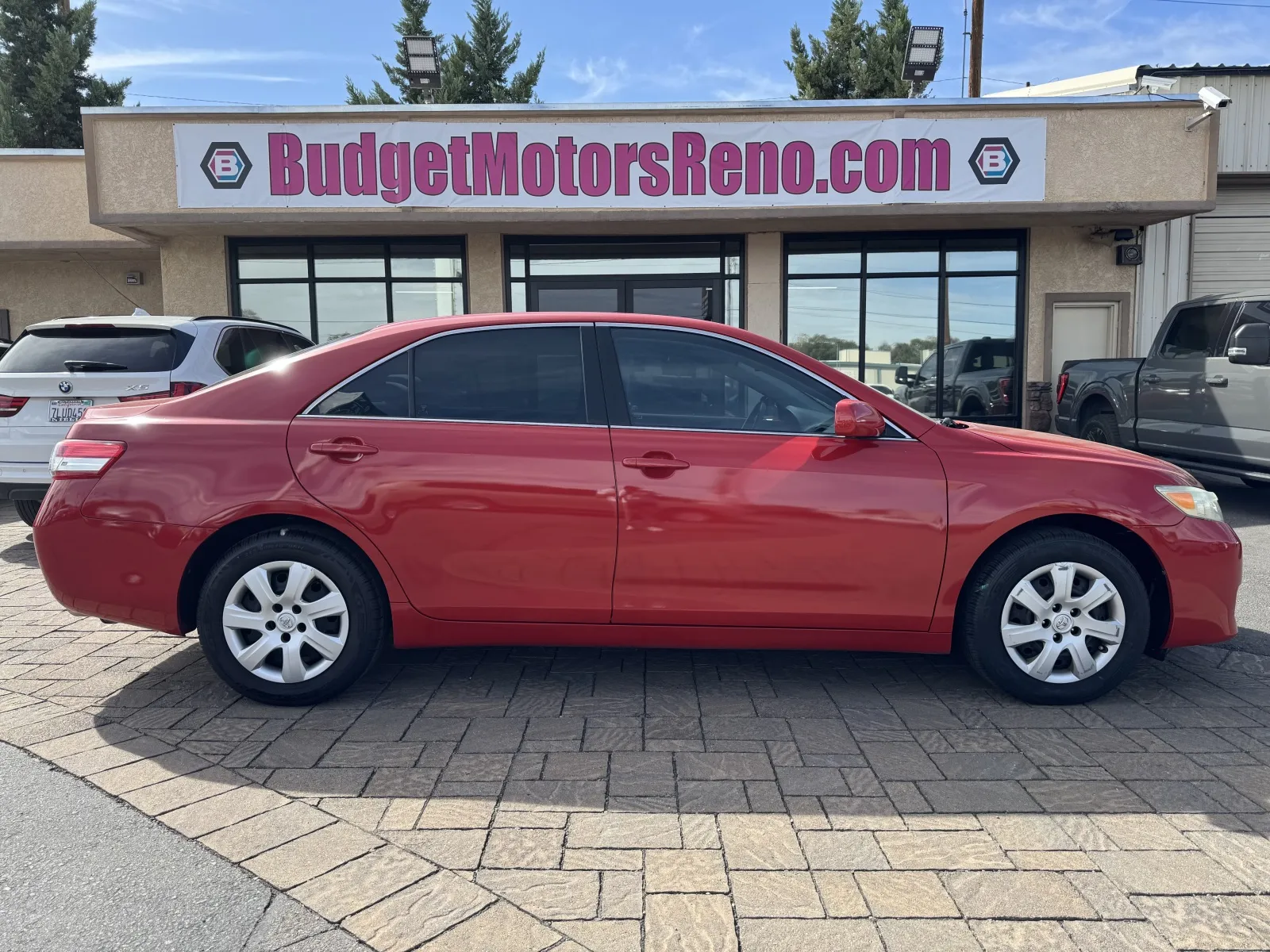
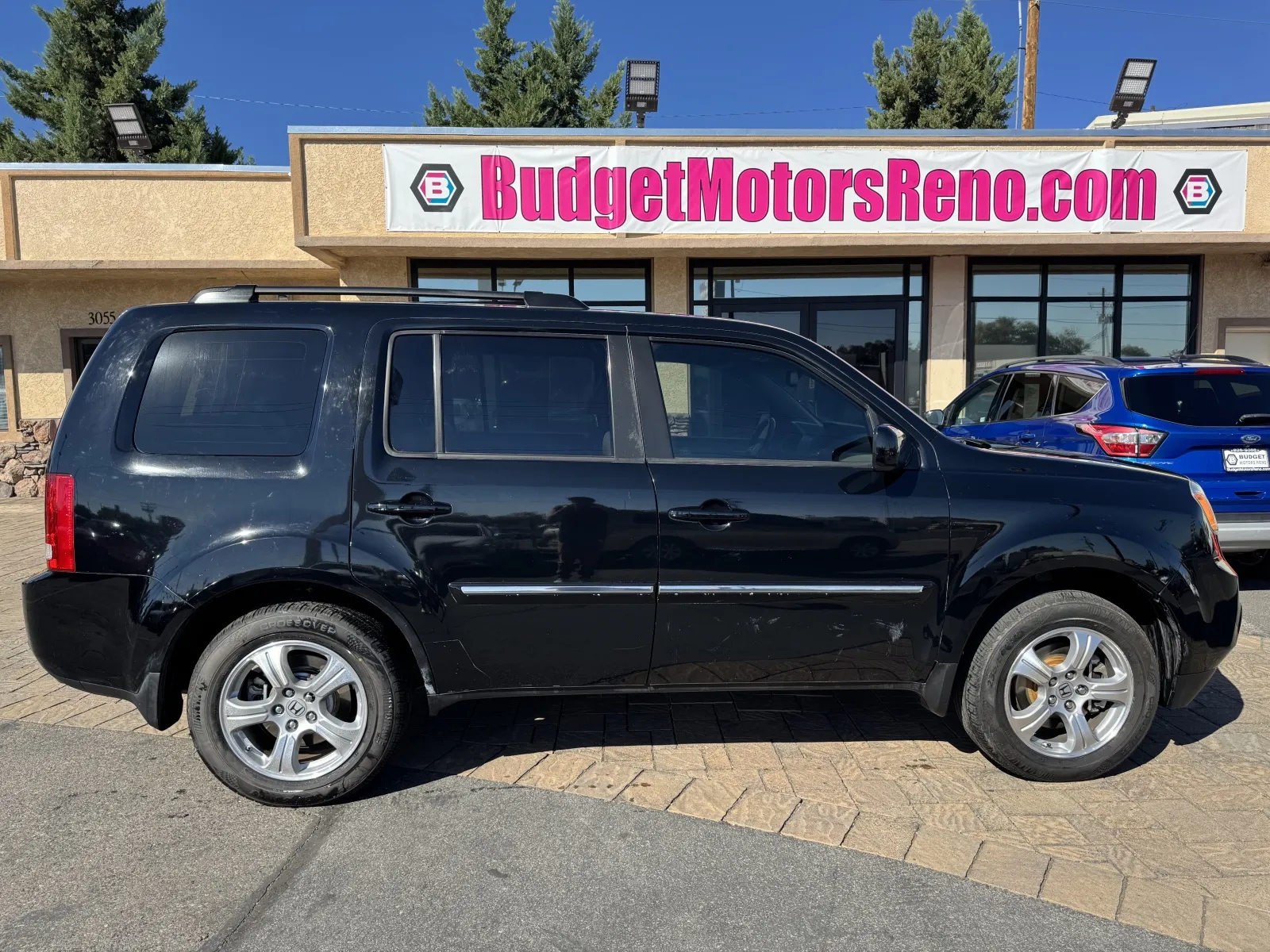
Modern vehicles are built to go much farther than many drivers expect.
There was a time when 100000 miles felt like the end of a vehicle's life. Today, that number often represents a milestone rather than a finish line. Advances in engineering, materials, and maintenance practices have changed what high mileage really means.
If you are driving a vehicle near or beyond 100000 miles, there is often more life left than you might think.
Improved Engineering Standards
Modern engines and transmissions are designed with tighter tolerances and stronger materials than older generations. Many vehicles are built to handle well over 150000 miles when properly maintained.
Maintenance Makes the Difference
Regular oil changes, fluid services, brake inspections, and tire rotations have a significant impact on long term durability. A well maintained vehicle with 100000 miles can often perform better than a poorly maintained one with much less mileage.
Highway Miles vs City Miles
Not all miles are equal. Highway driving is typically easier on engines and braking systems than stop and go city traffic. Vehicles used primarily for steady highway travel often show less wear over time.
Resale and Trade Considerations
Reaching 100000 miles may affect resale value, but condition and service history still matter greatly. If you are thinking about upgrading, reviewing how trade evaluations work on the trade-in page can provide helpful insight.
Looking Ahead
One hundred thousand miles is no longer a warning sign. It is simply a checkpoint. With proper care, many vehicles continue performing well far beyond that mark.
If you have questions about maintaining your current vehicle or planning your next step, you can always reach out for guidance.